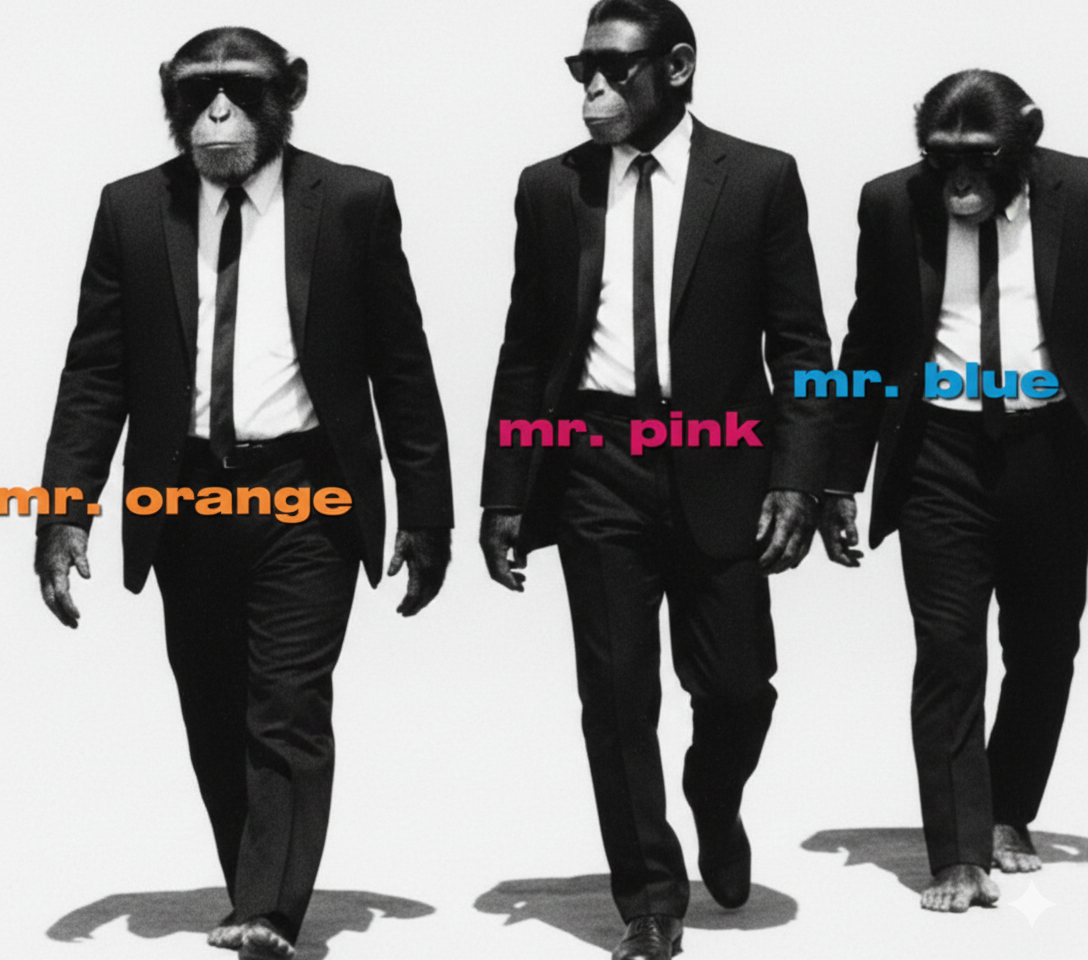
Rules protect patients. Records protect dentists. Record Monkey protects your sleep.
ARE YOUR COMPLAINTS COMPLIANT? Free. No account needed. Results straight away.A complaint is any expression of dissatisfaction, written or verbal.It doesn't have to be fair.
Most problems start with the moment it wasn't recognised.
"Why is my bill higher than last time?"
"Nobody told me there would be extra charges."
"Can you update my mobile number?"
"I've been waiting 40 minutes and nobody has explained why."
"The dentist hurt me and rushed the appointment."
"I'm not happy with the shade of the crown."
"Can I speak to the manager about how I was spoken to?"
"I want a refund."
"I don't want to complain, but…"
"I left a review because nobody replied to my email."
Read the left column. Then press the button.
8.03am. The usual.
She arrives to find two sticky notes on her desk and a voicemail from yesterday she hasn't had a chance to listen to.
A patient rang yesterday about their crown. Nobody logged it. She doesn't know if it counted as a complaint. She adds it to the Post-it stack.
A 2-star Google review appeared overnight. No text. Just the stars. She makes a note to deal with it, but the morning is already getting away from her.
Dr Patel mentioned his CPD deadline last week. She can't remember when it is. She'll find the email. Or the spreadsheet. It's somewhere.
One of the nurses pulls her aside. A patient was rude to her this morning. She listens, sympathises, and writes "talk to patient??" on the same pad.
By 11am she has five tabs open, three unanswered emails, and a growing sense that something is about to go wrong — and she won't know what it is until it already has.
8.03am. Same time.
She opens the dashboard. Everything from yesterday is logged, assigned, and accounted for.
The patient call is already in the system — logged, categorised, and assigned to Dr Patel. The acknowledgement letter went out automatically. Deadline: 3 days.
The 2-star review is flagged. A draft response is waiting for her approval. She reads it, adjusts one line, and publishes it. Three minutes.
Dr Patel's deadline is in the system. A reminder goes automatically in 5 days. She can see it if she wants to — she doesn't need to chase it.
The nurse logs the interaction herself in two minutes. Documented before memory fades. There's a record. There's a process. Nothing is lost.
By 11am everything that happened yesterday has been handled. Nothing is lost. Nothing is guessed. The morning is behind her.
Same morning. Different system.
The patient mentions something at reception. Someone writes it on a scrap of paper. The dentist is busy. The note gets moved. Nobody logs it. Nobody owns it. Nobody checks whether the patient was answered.
Two weeks later, the patient posts a Google review. Then they email again. Then they escalate.
By the time the practice deals with it, the issue is no longer just the original complaint. Now it is also about delay, poor communication, and lack of records.
THIS IS NOT DRAMATIC. THIS IS REAL.Every complaint in one place. Every deadline visible. Every action recorded. No scraps of paper. No lost emails. No guessing who was supposed to deal with it.
Every complaint logged with owner, deadline, status, and full evidence trail.
Automatic 3-day acknowledgement and 10-day response deadlines. Overdue alerts instantly.
What went wrong. What changed. Team meeting recorded. Ready for inspection.
Log and track Google reviews. Flag risky replies before they go public.
Verifiable and general hours per registrant. GDC outcomes tracked.
Live compliance score based on your actual records — not a manual checklist.
All data stays inside your practice. Nothing leaves your office.
Encrypted. No third-party access. No exposure.
All complaints in one place. No more lost files, scraps of paper, or missed emails.
Not panic. You know exactly what happened, who dealt with it, and when.
Complaint trends, flagged patterns, and learning records — so every complaint makes the practice better.
Verifiable hours logged per registrant. GDC outcomes tracked. Ready for your 5-year renewal — no scrambling.
It might feel like big brother. But if something goes wrong, it's the best friend you've ever had.
Record Monkey doesn't get stressed, doesn't judge, and doesn't forget. It turns a grumble at reception into a clean, inspection-ready evidence trail before it becomes a GDC complaint.
Any expression of dissatisfaction — verbal, written, or online — is logged at the point it happens. Nothing slips through.
Acknowledgement deadline: 3 days. Response deadline: 10 days. Both set automatically. Overdue flags instantly — before anyone has to chase.
Every action, every note, every outcome — timestamped and stored. If it ever comes up in an inspection, the answer is already there.
This is the overview. The practice manager logs in and sees the full picture — complaints, reviews, CPD, staff.
They don't need to action any of it. Every staff member has their own login. The dashboard tells each person exactly what they need to deal with. The practice manager just needs to see that it's happening.
The first thing you see. How many complaints are open. Which ones are overdue — flagged red. Which are approaching their deadline. Who owns each one and what the current status is.
Nothing buried in an email chain. Nothing on a scrap of paper. It's all there.
Any new reviews since yesterday? Have they been replied to? What is your current score? Are there common themes appearing across multiple reviews — the same complaint surfacing in different words?
Patterns spotted early are problems solved before they escalate.
Check CPD hours per registrant. Log staff meetings, training sessions, and communications. Every learning outcome from a complaint feeds directly into a staff update. When a team member views it, reads it, or attends the meeting — that is recorded against their name with a timestamp.
The dashboard shows who has seen each learning and who hasn't. You can chase the ones who haven't. And if it ever comes up in an inspection or a complaint, you have proof of exactly when every member of the team was informed.
"I didn't know about that" stops being an answer.
Any staff issues raised? Concerns logged? The staff board keeps a record of anything flagged internally — separate from patient complaints, but just as important for a well-run practice.
A practice that records everything runs better. Full stop.
Storing patient details carries legal obligations. There are rules about how long records must be kept — and deleting them too early, or at the wrong moment, can be just as much of a problem as not keeping them at all.
If a complaint is still open, or a matter is unresolved, deleting associated records is not a neutral act. The dashboard runs automatic retention checks so nothing disappears when it shouldn't — and flags records that are due for deletion when the time is right.
Automatic flags when records are approaching or passing their required retention period — no manual tracking needed.
Records linked to an open complaint, unresolved matter, or active patient cannot be deleted until it is safe to do so.
Every deletion is logged — what was removed, when, and by whom. The record of the deletion stays even after the record itself is gone.
Patient data stored only as long as legally required. Right to erasure requests handled with a full record of the decision and when it was actioned.
The dashboard shows you exactly when each retention check is due — before it arrives. Planned, not reactive. You are never caught out by a record that should have been reviewed last month.
Your patient data never leaves your building.
All data is processed and stored locally within your practice. Nothing is transmitted to external servers. Encrypted. No third-party access. If there is ever a security incident anywhere else, there is nothing here to find.
Weekly and monthly reports available at one click. Print them for a team meeting, save them for an inspection, or share them with your compliance lead. Everything the dashboard tracks, summarised on paper.
Open complaints · Overdue · New this week · Deadlines in the next 7 days · Who owns what
New reviews received · Replied or unanswered · Current score · Any flagged replies
Staff actions completed this week · Outstanding items · Learnings not yet acknowledged
Not every complaint gets handled perfectly. Deadlines get missed. Acknowledgements don't go out. Someone didn't pick it up in time.
The worst thing a practice can do is pretend it didn't happen. The right thing — and the thing GDC inspectors want to see — is a clear record of what went wrong, who was responsible, what was done about it, and what the practice learned.
Example entries shown. Your breach log is built automatically from complaints that missed their deadlines.
A PRACTICE THAT FINDS ITS OWN MISTAKES GETS TO DEAL WITH THEM.A practice that knows where its issues are is well run.
A practice that waits to have them pointed out isn't.
THE DENTIST WAS A BUTCHER.
TOOK OUT THE WRONG TOOTH.
COMPLETE MONEY GRABBER.
WHAT A CON.
It is public. Every patient searching your practice name can see it. It may be unfair. It may be exaggerated. It may also contain a real complaint. What you write next matters more than you think.
Every person who finds this review now sees that the practice had nothing to say. Silence reads as guilt, indifference, or both.
Feels righteous. Confirms the patient's details are on your system. Starts a public argument you cannot win. May breach confidentiality. Could be reported to the GDC.
Better than arguing. But it reads as automated. No process mentioned, no route to resolution, no confidence created. The next person reading it knows it means nothing.
Calm. No details confirmed. No argument started. A clear process offered. Every future patient reading it sees a practice that handles concerns properly.
THIS GUY.
A REVIEW IS THE FIRST THING THEY SEE.
Before they call. Before they book. Before they walk in the door. Your Google rating is the first impression most new patients get of your practice.
ONE BAD REPLY CAN DO MORE DAMAGE THAN THE REVIEW.
A defensive, emotional, or careless reply confirms every doubt the reviewer raised. The reply is often read more carefully than the original complaint.
A REVIEW IS OFTEN A COMPLAINT IN DISGUISE.
If a patient posts a review because nobody dealt with their concern — the review IS the complaint. It needs logging, tracking, and a proper response. Not just a public reply.
IGNORING IT IS NOT AN OPTION.
No reply is a reply. It tells every future patient that complaints go unanswered at this practice. Silence is not neutral — it is a statement.
FAKE AND UNFAIR REVIEWS CAN BE CHALLENGED.
Not every 1-star review deserves to stay. Reviews from people who were never patients, or that contain false statements, can be flagged and removed — but only if you have records to prove your case.
THE GDC IS WATCHING THIS SPACE.
Online reputation and public communication is increasingly part of how regulators assess whether a practice is well run. How you respond in public is part of your professional conduct.
"[ INSERT GDC QUOTE HERE ]"
— GDC · [ Source / Date ]
"[ INSERT GDC QUOTE HERE ]"
— GDC · [ Source / Date ]
A review reply is not just marketing. For a dental practice, it can become part of the complaint trail. The safest replies are calm, short, confidentiality-aware, and linked to the proper complaint process.
THE RULES PROTECT PATIENTS. THEY PROTECT DENTISTS TOO.Old replies do not disappear because the person who wrote them has left. They are still public. Still searchable. Still attached to your practice.
We review historic replies and flag wording that may be too defensive, too personal, too vague, or too close to patient detail.
THE RISK DOESN'T EXPIRE WHEN THE REVIEW GETS PUSHED DOWN THE PAGE.Some phrases in Google replies may accidentally confirm that the reviewer is a patient. Others breach GDC advertising guidelines on your website — and stay there until someone flags them.
Phrases like these can quietly create risk in a public reply:
We also scan practice websites for terms that may breach GDC advertising guidelines — and flag them before an inspector does.
If something goes wrong and a patient is harmed — even slightly — you have a legal duty to tell them. To be open. To explain. To apologise where appropriate. And to record everything.
This is not optional. It is a CQC fundamental standard. Failure to comply is treated with the same seriousness as basic safety failures.
WHAT TRIGGERS IT
Any unintended or unexpected incident that results in harm — or could have. It does not need to be serious. It does not need to be a formal complaint.
WHAT YOU MUST DO
Tell the patient. Apologise. Offer support. Record the conversation. Document the decision. Keep the evidence. Do it promptly.
HOW WE HELP
Duty of Candour templates are built into the dashboard. Every step logged, every conversation recorded, every deadline tracked — so you can prove you acted properly.
Other compliance services are run by dentists. But you don't need someone who knows dentistry — you already know dentistry. You need someone who knows compliance.
If your practice needed rewiring, you wouldn't hire another dentist who'd done an electrical course. You'd hire an electrician.
Record Monkey is built on 15 years of audit and compliance management in FCA-regulated insurance — one of the most scrutinised compliance environments in the UK. The same discipline applies: clear records, documented decisions, evidence trails, and a process that holds up when someone asks questions.
Compliance is compliance.
The rules are different. The discipline isn't.
Whether you need a one-off audit, a complaint system, or ongoing monthly support.
One-off Google reply audit. Historic replies reviewed and flagged.
Full complaint system and dashboard — everything in one place.
Monthly support, reply drafting, and governance review.
Use the Complaint Scanner to see whether your complaint handling is recorded, controlled, and ready to evidence.
CHECK YOUR COMPLAINTS → CHECK YOUR GOOGLE REPLIES →